
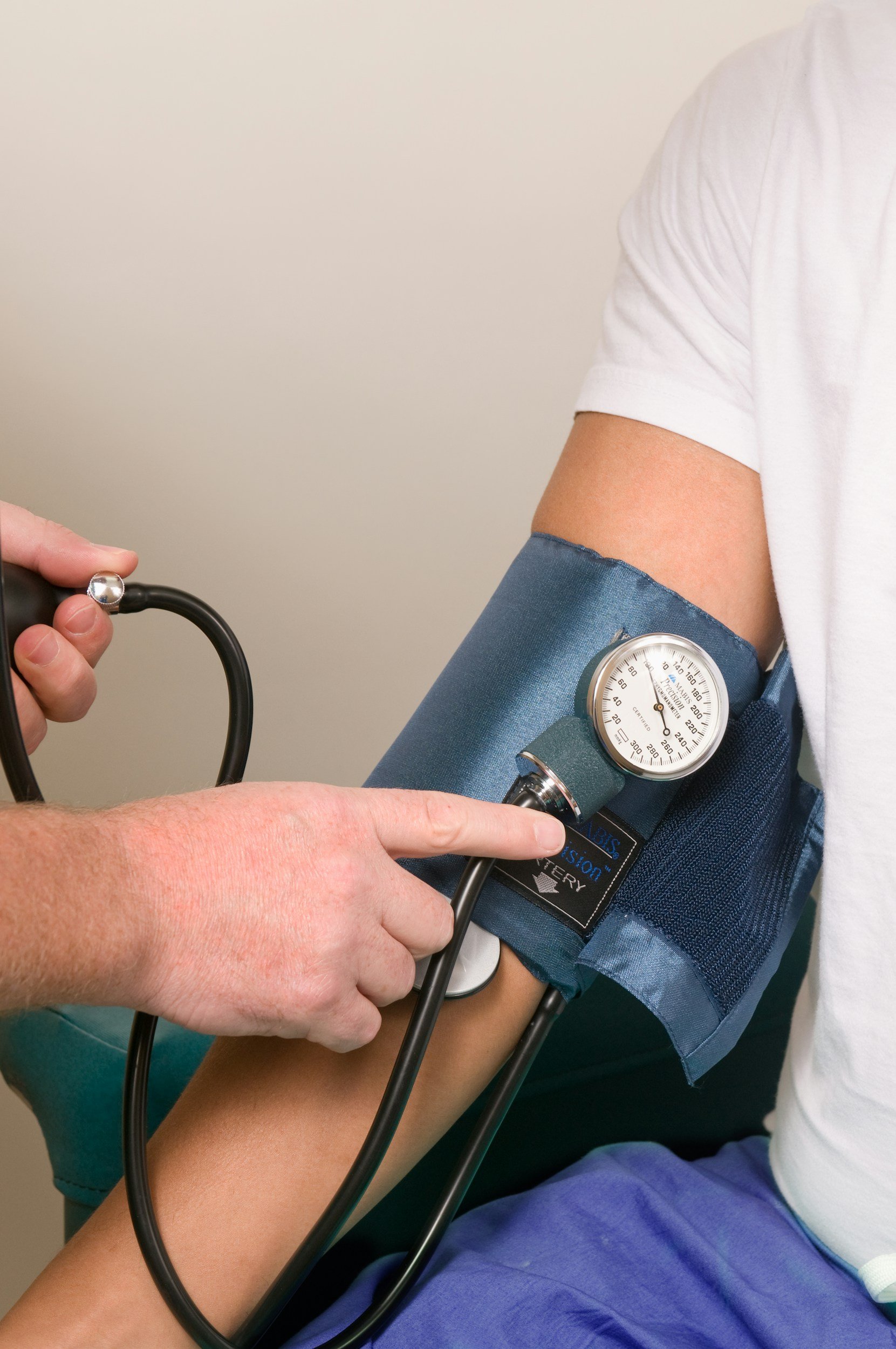
Specialised / Monitored Exercise Prescription
An exercise prescription should have a frequency, intensity (dose), time (duration) and type specificity of treatment. The therapeutic goal should anticipate any patient specific adverse effects through careful assessment and monitoring.
Exercise is medicine. It’s a scientifically proven to prevent & manage chronic diseases

-
Clinical overview
Converts test results into a personalised FITT plan (Frequency, Intensity, Time, Type) with HR zones, loads, recovery, and precautions.
Online appliation to monitor adherance and also demonstrate (videos) correct exercise prescription form.
Feedback and RPE’s incorporated into the FITNESS APP - available on request.
-
Post-assessment planning; rehab progressions; return-to-activity; BP/HR-limited prescriptions; insurer/employer action plans.
Integrated Monitoring of Cardiac Rehabilitation
A growing body of RCT evidence over the past 3–4 decades now supports contemporary clinical guidelines, which recommend routine referral for cardiac rehabilitation across a range of cardiac diagnoses, including acute coronary syndrome, heart failure and after coronary re-vascularisation (PCI or CABG surgery) [1].
Several cardiac rehabilitation programmes are now using a hybrid approach to deliver cardiac rehabilitation. For example, this approach initially offers patients centre- based cardiac rehabilitation and then evolves to longer-term maintenance through technology-supported, group and home-based sessions. The effectiveness of these innovative models are likely to depend on active, ongoing contact between patients and healthcare professionals [2,3].
Hippocrates wrote,
‘‘In a word, all parts of the body which were made for active use, if moderately used and exercised at the labor to which they are habituated, become healthy, increase in bulk, and bear their age well, but when not used, and when left without exercise, they become diseased, their growth is arrested, and they soon become old.’’[4]
We focus our prescription on monitor exercise using 1) ECG, 2) Ambulatory BP and 3) Frailty (strength and ROM, gait) to track exercise progression very carefully. This allows any change to be documented and re-referred.
-
Review VO₂ zones, ABPM/AIx limits, gait/strength/ROM, spirometry, BIA → agree goals → build plan together → teach first drills.
Prep: meds list; any home BP/HR device data; wearable if used; clothing for movement.
-
A personalised plan that turns test results into doable sessions.
Clear HR zones, sets/reps, balance work and recovery guidance.
Adjusts with you — follow-up progresses loads and confidence.
-
Programme PDF (1 business day):
Aerobic: HR zone targets, RPE cues, weekly minutes
Strength: sets/reps, tempo, progression rule
Balance/mobility: daily micro-drills
Recovery: HRV-informed rest days; precautions box (BP/HR ceilings, symptom stops)
Follow-up: 4–8 weeks to progress loads/zones; summary note to referrer.
-
ACSM exercise prescription; cardiac & metabolic rehab guidance; intensity prescription in older adults. Adults aged 19–64 years should aim for 150 minutes of moderate intensity activity in bouts of 10 minutes or more (that is, 30 minutes at least 5 days a week).
Comparable benefits can be achieved through 75 minutes of vigorous intensity activity spread across the week and at least 2 days of the week activity should be aimed at improving muscle strength.
Although the guidelines for people over 65 years are similar, older adults are encouraged to include activities that improve balance and coordination, especially if at risk of falls.
-
Physical inactivity is one of the 10 leading causes of death in developed countries and results in about 1.9 million preventable deaths worldwide annually. The benefits of physical activity on various health issues including atherosclerotic vascular disease, hypertension, diabetes mellitus, osteoporosis, dyslipidemia, obesity, mental health, and a reduction in mortality, are now undisputed. In addition, a sedentary lifestyle is shown to be a more significant risk factor for coronary artery disease than other ‘established’ risk factors such as smoking, hypertension, and hyperlipidaemia. There are also positive economic benefits of physical activity programmes to communities, corporations and public health, shown by cost–benefit ratios. Less openly known and discussed benefits of exercise include prevention against certain cancers, with studies demonstrating that physical inactivity can almost double the risk of developing colon cancer with other cancers such as breast, prostate, and lung following close behind.
-
Regular physical activity using large muscle groups, such as walking, running, or swimming, produces cardiovascular adaptations that increase exercise capacity, endurance, and skeletal muscle strength. Habitual physical activity also prevents the development of coronary artery disease (CAD) and reduces symptoms in patients with established cardiovascular disease. There is also evidence that exercise reduces the risk of other chronic diseases, including type 2 diabetes, [1 ] osteoporosis, [2] obesity, [3] depression, [4] and cancer of the breast and colon [5,6 ].
Physical activity is also an important adjunct to diet for achieving and maintaining weight loss. The National Weight Control Registry [US] enrolled 3000 individuals who lost >10% of their body weight and maintained this weight loss for at least 1 year [3]. The average weight loss of 30 kg was maintained for an average of 5.5 years. Eighty-one percent of the registrants reported increased physical activity. Women and men, respectively, reported expending 2445 and 3298 kcal weekly in such activities as walking, cycling, weight lifting, aerobics, running, and stair climbing.