
Research is all about BIG Ideas, aiming for REAL Impact
About

Med-Ex is developing a translational research programme focused on the links between exercise physiology, cardiovascular health, autonomic regulation, metabolic risk, and long-term clinical outcomes.
Our research approach is built around detailed physiological measurement — including cardiovascular assessments, exercise testing, respiratory function, heart-rate variability, functional performance, and biomarker-linked data collection. The aim is to move beyond isolated test results and develop a more integrated understanding of health, disease risk, treatment response, and human performance.
Our Process
-

Plan with Purpose
We look for projects that have the potential to make a clinical impact, that are novel and also break the mould, to keep up with a rapidly changing world.
-

Collaborate Openly
We are always open to profession collaboration. We keep communication open and decisions shared—no black boxes or surprises.
-

Adapt as Needed
Every research project is different. We stay flexible and responsive at the beginning of projects to make sure nothing is missed —not the other way around.
-

Deliver Excellence
We deliver not just a finished paper(s) co-authored — but an insightful addition to the medical body of knowledge. We hope it’s implemented always.
What Drives Us

The central part of our work is collaboration. Med-Ex works with academic and clinical partners to support research design, data collection, physiological testing, interpretation, and translation of findings into clinically meaningful information.
The profiles below highlight two important academic collaborators and consultants: Associate Professor Steven Gieseg from the University of Canterbury (Director- Free Radical Biochemistry Laboratory) and Professor Michael Hamlin from Lincoln University (Director - Sports and Exercise Science Laboratory). Their expertise has given rise to the clinical and scientific foundation of Med-Ex’s research activity. They support a wider goal of connecting advanced measurement with groundbreaking, practical clinically relevant insight.
Our Team

Associate Professor Steven Gieseg
Co-Lead Research Consultant A/Prof Steven Gieseg is a medical biochemistry advisor to Med-Ex. He holds a PhD from the University of Otago and is an expert in the biochemistry of cardiovascular disease and immune cell inflammation.
He is an Associate Professor in Biochemistry at the University of Canterbury’s School of Biological Sciences where he teaches undergraduate biochemistry and leads the Free Radical Biochemistry Laboratory. His laboratory team researches the role of the white blood cells in the development of cardiovascular disease. He is one of the leaders in the study of the biochemicals called neopterins and their role in inflammation. His team was the first to demonstrate the source of the plasma and urinary neopterin used to monitor inflammation during disease. His laboratory has specialised in the sensitive measurement of inflammation and oxidative stress by both blood and urine analysis of neopterins. This technology has been applied to the inflammation monitoring of body builders, cyclist, professional rugby players, cage fighters, stroke and surgery patients and patients in intensive care. His team is now seeking to apply this analysis to the monitoring of at risk cardiovascular patients.
A/Prof Gieseg also holds an Honorary A/Prof position at the University of Otago Christchurch and is the Principal Biochemist for MARS Bioimaging Ltd. He is also a deputy editor of one of the major oxidative stress journals.
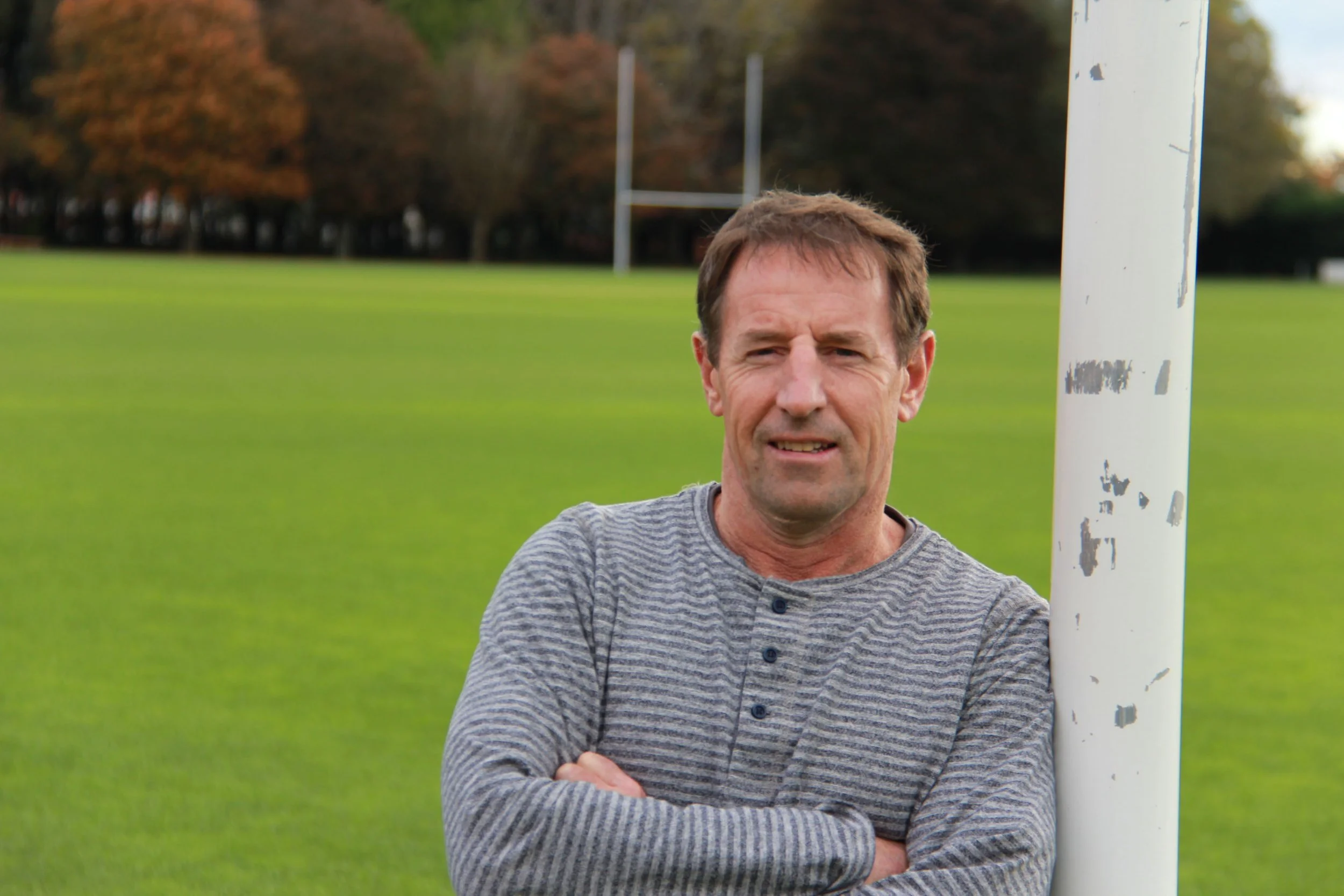
Co-Lead Research Consultant Professor Mike Hamlin
Prof. Michael J. Hamlin (Mike) is Professor of Exercise and Sport Science, Department of Tourism, Sport and Society, Lincoln University, Christchurch, New Zealand as well as Director of the Lincoln University Sport and Exercise Science Laboratory. Mike has over 30 years’ experience in teaching and research working with professional groups and individuals. Professor Hamlin is the author of 3 books, along with over 150 published research articles and numerous book chapters. Professor Hamlin has also presented over 140 conference papers and given many invited lectures. A member of numerous professional societies including fellowships with the American College of Sports Medicine, the European College of Sports Science, and Sport and Exercise Science New Zealand, Mike received his BPhEd degree (1990) in exercise prescription from Otago University, Dunedin, his MHMS degree (1995) in exercise physiology from the University of Queensland, Brisbane, and his PhD (1999) from Otago University Dunedin. Mike is a section editor for the Journal of Sport and Exercise Science New Zealand, Frontiers in Sport and Active Living-Elite Sport & Performance Enhancement and Archives of Allied Health. Mike's research areas include the general fields of exercise physiology and sport science, but more specifically the health effects of physical activity, health and performance benefits of altitude and hypoxic training, and the training and performance of elite athletes including rugby players. Mike has worked with many different team and individual athletes including professional netball and basketball players, professional cyclists, and members of the New Zealand and other international Olympic teams.
New Study
Augmented Exercise with Blood Flow Restricted Walking in Adults Aged 60-70

Enrolment
Starts Soon
-
As we age, our blood vessels and muscles gradually lose some flexibility and strength, increasing the risk of heart disease, diabetes, and falls. This study is testing a gentle exercise approach that uses soft cuffs around the upper legs to briefly and safely reduce blood flow during training. In simple terms, this mild restriction “tricks” the body into thinking it is working harder than it really is, prompting the blood vessels and muscles to release protective substances that improve circulation, blood-sugar control, and overall heart health.
People aged 60–70 will take part in two eight-week exercise blocks—one with the cuffs and one without—so the researchers can compare how each affects heart and blood-vessel function, blood pressure, blood sugar, and body composition (including muscle and fat mass). Balance and mobility will be tested using short walking and chair-stand exercises (4 m gait-speed test, Timed Up and Go, Fullerton Functional Fitness Test). These tests help identify changes in falls risk and independence.
-
The project aims to determine whether low-load/pressure Blood Flow Restriction (BFR) exercise (treadmill walking) produces greater improvements in biochemical markers of CVD risk than matched non-BFR training (just simple walking). The 2 interventions are compared in the same subjects across 8 weeks of exercise.
Secondary objectives are to assess changes in vascular function (relating to cardio, metabolic and kidney functioning), and functional mobility improve as a result of both interventions.
-
The study involves older adults with cardiovascular and metabolic risk factors such as obesity, hypertension, and pre-diabetes. These are common conditions that may carry some social stigma or personal sensitivity.
Age 60–70 years.
Overweight or obese (BMI ≥ 27 kg/m² or waist > 94 cm men / > 80 cm women).
Pre-diabetic or type 2 diabetic (HbA1c ≥ 38 mmol/mol and ≤ 64 mmol/mol) managed with diet ± stable oral therapy (no insulin).
Medically stable with no recent hospitalisation (< 3 months).
Resting BP < 160/100 mm Hg and resting ECG free of unstable arrhythmia or ischaemia.
Cleared for participation via PAR-MedX screening and clinical review.
Able to undertake low-to-moderate exercise and attend all supervised sessions at Med-Ex Christchurch.
Provide written informed consent and agree to all study procedures.
-
Each participant will be involved in the study for approximately eight months in total.
This includes:
• an initial screening and baseline testing visit (medical history, ECG, blood pressure, blood and vascular measurements);
• two 8-week exercise phases (one with blood-flow restriction and one without); and
• an 8-week wash-out period between phases to allow recovery and minimise carry-over effects.
Participants will attend 2x supervised exercise sessions per week (approximately 60 minutes each, including warm-up and cool-down). In total, each person will complete about 32 training sessions and three main assessment visits (baseline, mid-study, and final).
During the exercise sessions, participants will walk on a treadmill at a comfortable, low to moderate intensity pace. In one phase, a light pneumatic cuff will be placed around the upper thigh to gently reduce blood flow (up to 40 % arterial occlusion pressure).
Heart rate, oxygen saturation, and blood pressure will be monitored continuously, and participants can stop at any time.
Additional assessments include no-invasive vascular assessments (e.g. pulse-wave velocity), ECG and ABPM, balance, functional fitness and gait tests, short questionnaires, and routine blood samples for metabolic and inflammatory markers.
-
Day 1
Time to settle in and start adventuring.Day 2
Immerse yourself in your new surroundings.Day 3
See the sights at your own pace, alone or in small groups.Day 4
Sign up for an optional outdoor adventure or culinary exploration.Day 5
Time to pack up and head home. -
Participants may gain direct preventative and therapeutic benefits from involvement in this study through improvements in cardiovascular and metabolic health resulting from the structured exercise intervention. Blood flow restriction (BFR) walking training has been shown to safely enhance aerobic capacity, muscle strength, and vascular function at lower exercise intensities, making it particularly suitable for older adults or those with limited mobility.
Regular supervised participation may lead to:
Improved blood pressure regulation, lipid profile, and glycaemic control;
Enhanced physical fitness, balance, and confidence in movement;
Early identification of cardiovascular risk factors through baseline and follow-up assessments of blood and metabolic markers.
Although not intended as a diagnostic program, these measures may help participants and their healthcare providers recognise and manage modifiable risk factors for cardiovascular disease.
Latest Papers
Cystatin C kidney functional reserve: a simple method to predict outcome in chronic kidney disease
1
Measuring the kidneys' reserve capacity usually requires complicated and time-consuming urine collection. This study demonstrates that using a simpler blood test to measure a protein called Cystatin-C after a protein-rich meal is just as effective. This easier method allows doctors to accurately predict the progression of chronic kidney disease and the risk of future complications, making it much more practical for regular clinical use.
Central and peripheral nervous system activity and muscle oxygenation in athletes during repeated-sprint exercise in normoxia and normobaric hypoxia
2
This research investigated how sprinting in low-oxygen environments (hypoxia) affects athletes' nervous systems and muscle fibers. The findings reveal that exercising with restricted oxygen triggers a temporary increase in the central sympathetic nervous system, which acts as the body's "fight or flight" response. This shift causes athletes to rely more heavily on explosive, fast-twitch muscle fibers rather than their endurance-focused, slow-twitch fibers.
Variability in response to an 8-week low altitude football training camp supplemented with intermittent hypoxic training
3
Altitude training is popular, but not all athletes experience the same performance benefits. This study monitored football players during an 8-week altitude camp to discover why some individuals respond better than others. The athletes who significantly improved their running times showed a lower resting heart rate and an increase in parasympathetic nervous system activity, suggesting that simple heart rate variability monitoring can help coaches identify which athletes are successfully adapting to altitude training.
Tissue oxygenation in response to low-load and high-load back squats with continuous blood flow restriction in athletes
4
Blood flow restriction (BFR) involves wearing bands to limit blood flow during exercise. This study compared athletes performing back squats using light weights with tight BFR bands against those lifting heavy weights with looser bands. The results showed that continuously restricting blood flow while lifting lighter weights safely trapped blood and reduced oxygen in the muscle, which ultimately led to greater strength improvements than traditional heavy lifting.